
MWC 2012
Category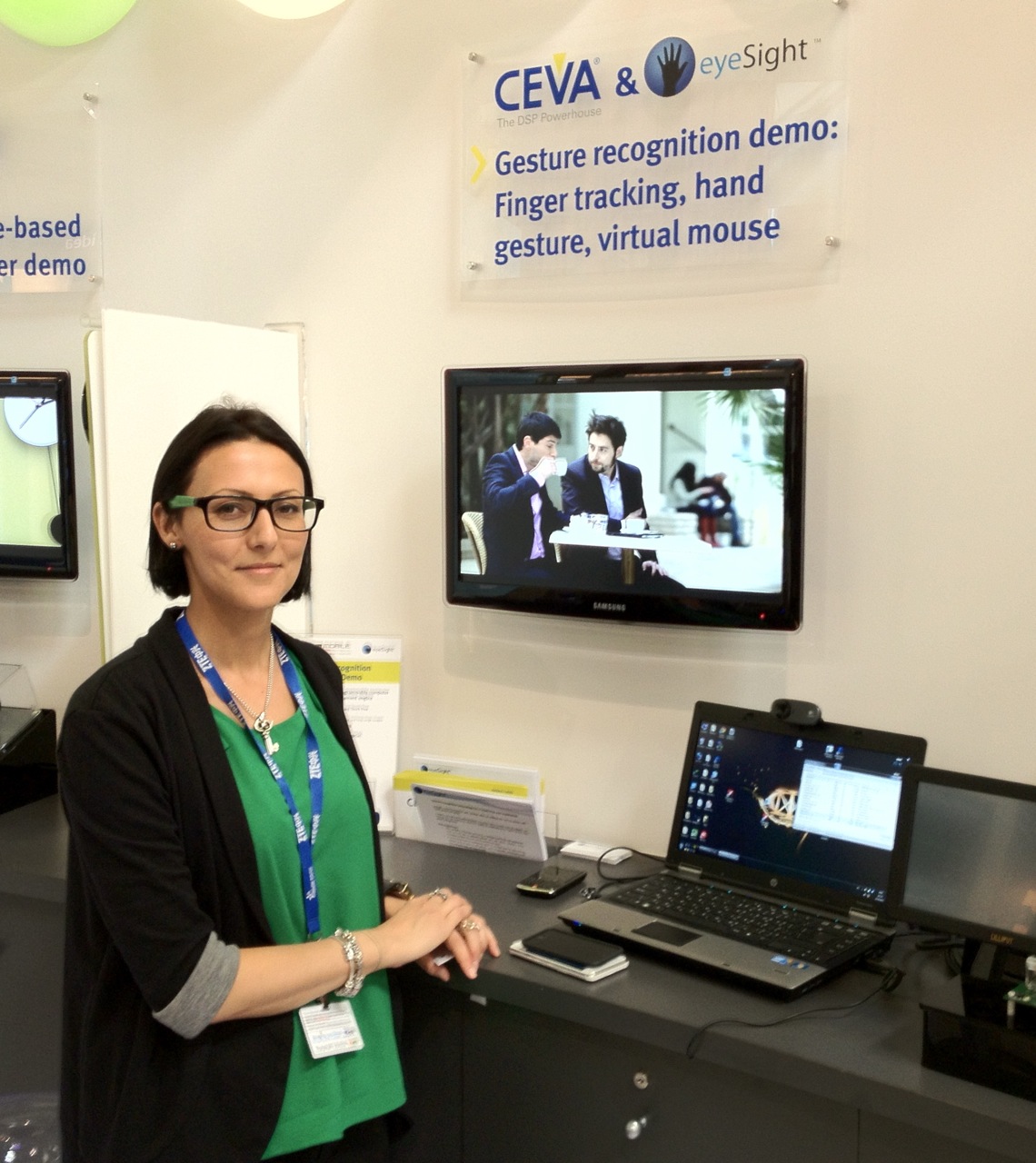
Gestures in a mobile context
The amount of transposition required to convert users’ physical actions into digital form has ebbed and flowed over the years.
Command line interfaces were direct: pressing a single key produced the corresponding character on-screen.
The i…
Searching for new UI metaphors
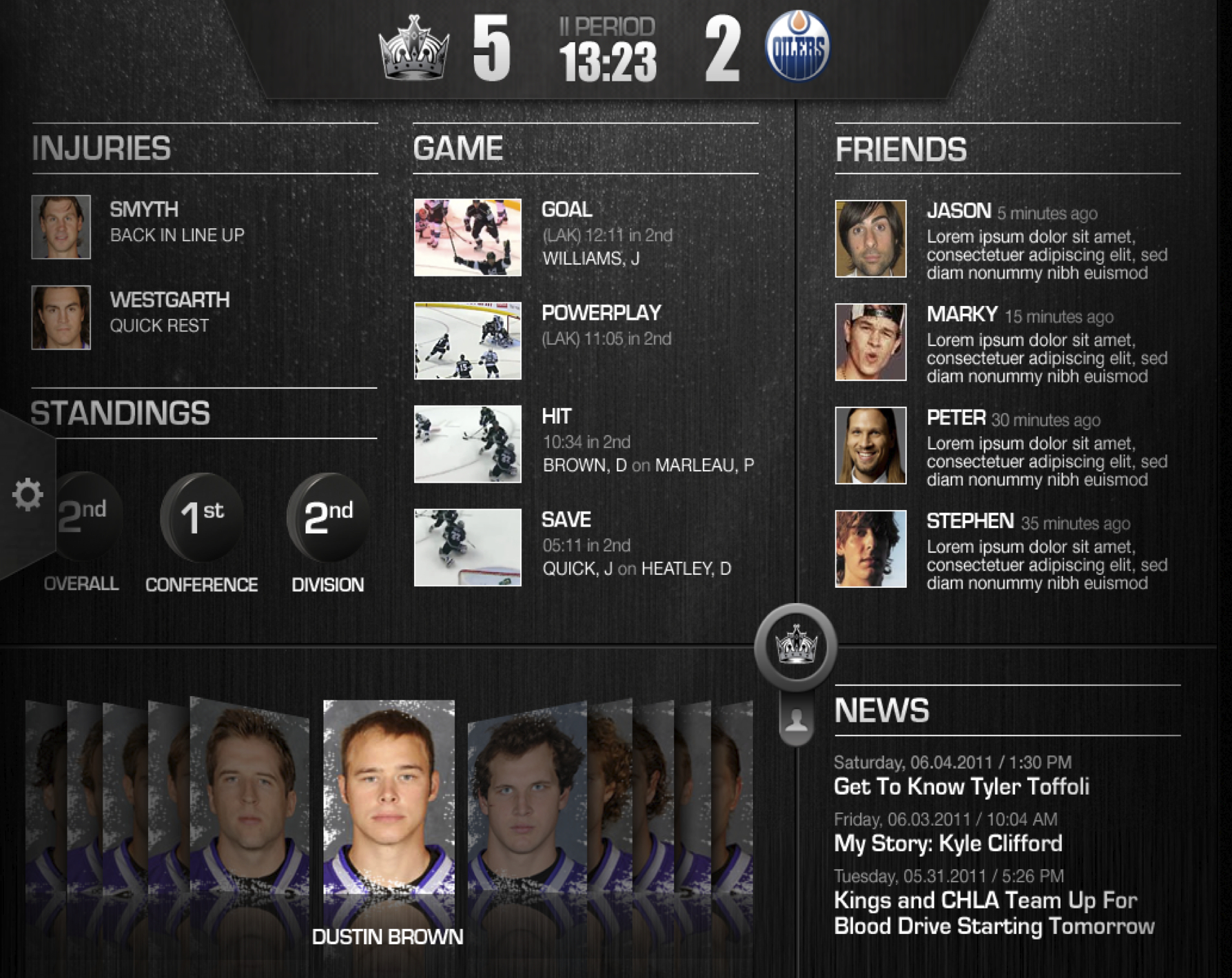
There were few visual interface developments which stood out at Mobile World Congress, not least because the small application developers at the forefront of UI experimentation were noticeably absent. This may be due in part to the increased cost…
Mobile creativity unleashed
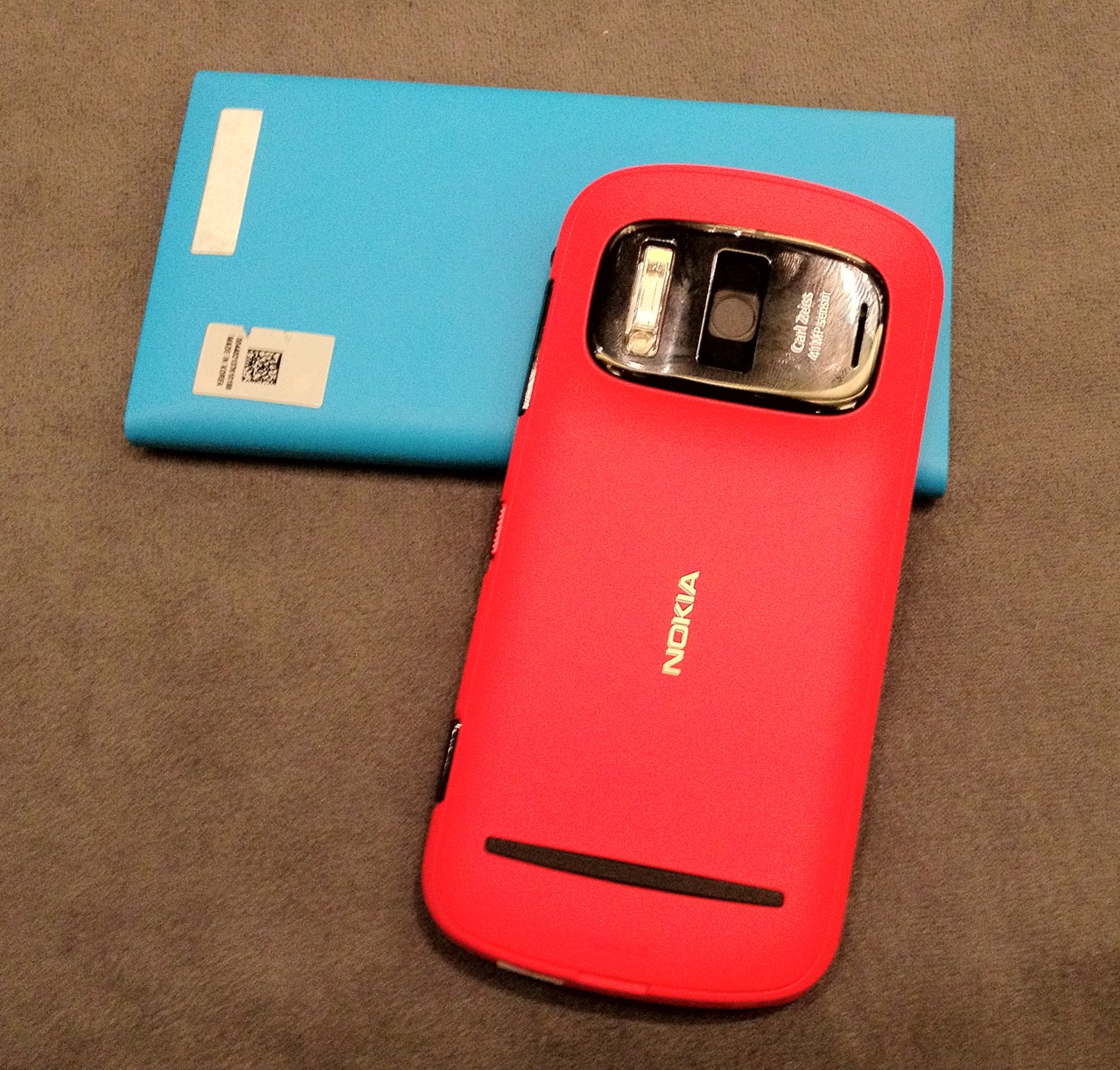
Nokia’s PureView 808 in red polycarbonate is a stunningly bold visual statement. The intensity of the colour combines with a bulging, muscular form that is the antithesis of today’s generic slim slates. I cannot stress this enough: it is red…
Prioritising relative speed
YOUi Labs‘ CEO Jason Flick was clear about his priority when we met at Mobile World Congress: speed. His company provides a cross-platform layer which enables designers to build interfaces in Adobe After Effects, transpose them with a minimal amo…
Sound experiences outside the visual canvas
The brain has a remarkable ability to perceive the location of a sound source. If an object bangs on the floor behind you, your brain uses its understanding of acoustics to translate the sound waves into a clear image of where that incident occur…
Maps appropriate to context
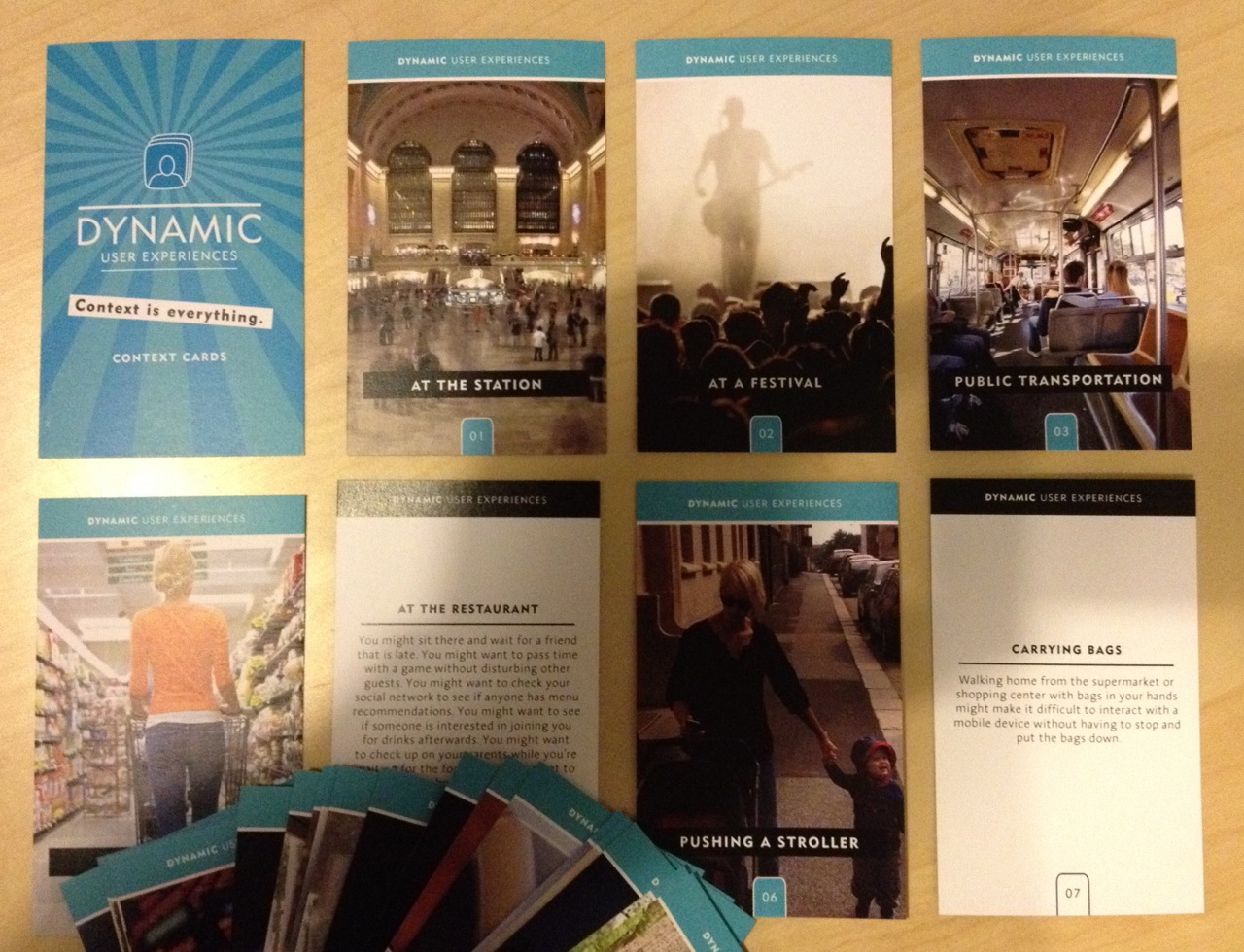
The digital maps found on today’s mobile devices derive from cartographic techniques hundreds of years old. User context, however, has changed. The situations in which users find themselves accessing maps on a mobile device are very differen…

Refining through multi-layered user research
Emporia’s approach to user-centred design is multi-layered. Albert Fellner, founder, began by providing mobile devices accessible to the elderly and others excluded by the technological complexity. Starting with a strong personal motivation prov…
User environment driving technology
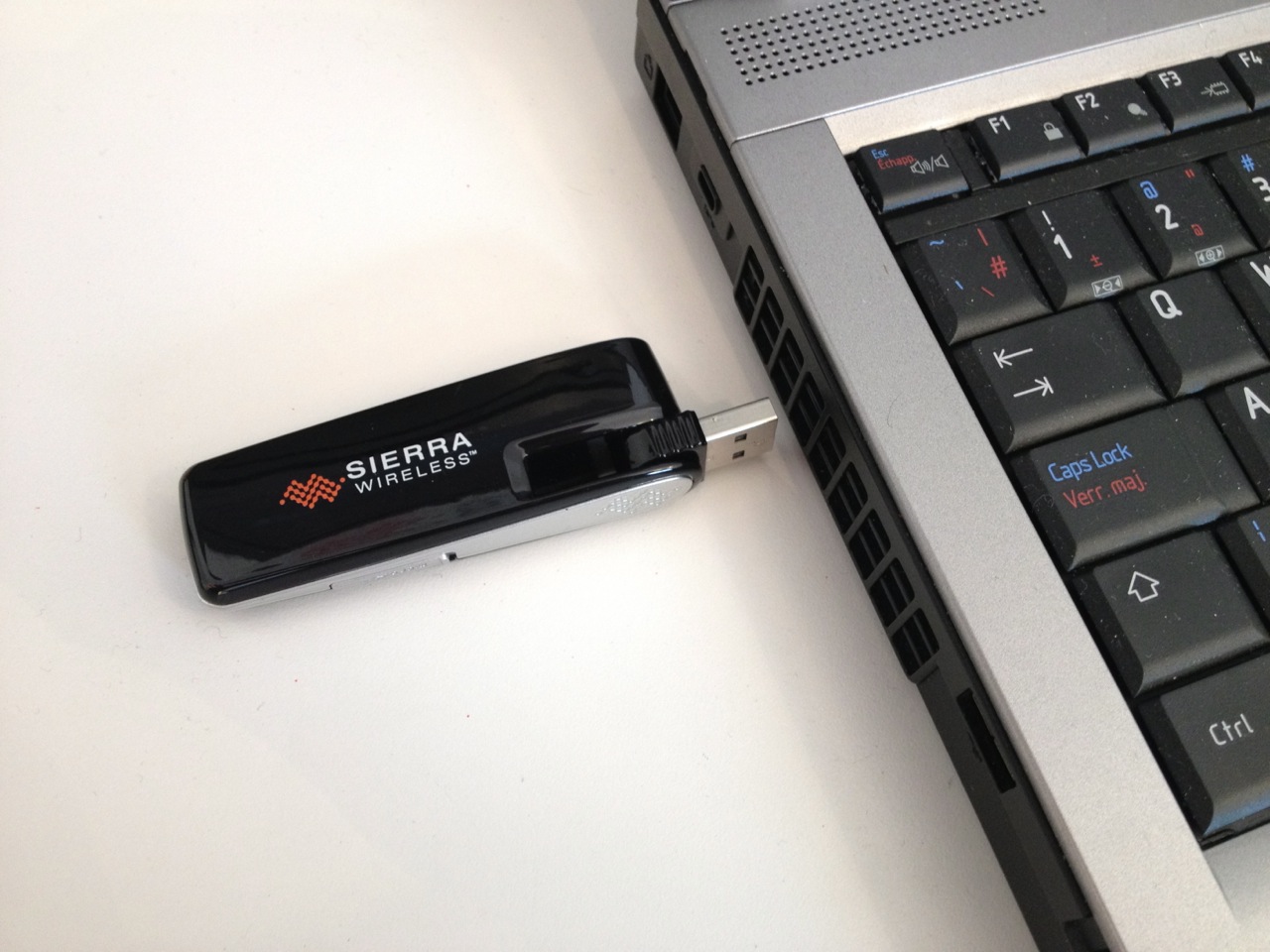
Sierra Wireless’ new USB cellular modems show how user-centred design can help differentiate products in a commoditised market. Matt Plested of Alloy, the agency which helped Sierra design the products, explained how they explored user environmen…