Pathway #9: Audible dimension
CategorySetting your eyes free
Visual elements dominate the mobile user experience. This creates a pressured, synchronous relationship between the user’s attention span..
The sound of photos
Following up on the recent essay on ‘Sensation‘, MEX alumnus Ben King shared this article on ‘Picle‘, an iOS application which records a s..
Sensation
Humans rely on many sensations to confirm their interactions with the physical world. Hitting a nail with a hammer produces visual, audib..
Tapping other senses for the visually impaired
The BBC has an article on Georgie, a suite of applications to improve smartphone usage for those with visual impairment.
Georgie from ..
High fidelity gestural interface
Reuben Kettle Aiers, one of the Brunel designers participating at the next MEX, shared this video of Leap, a forthcoming gestural interfac..
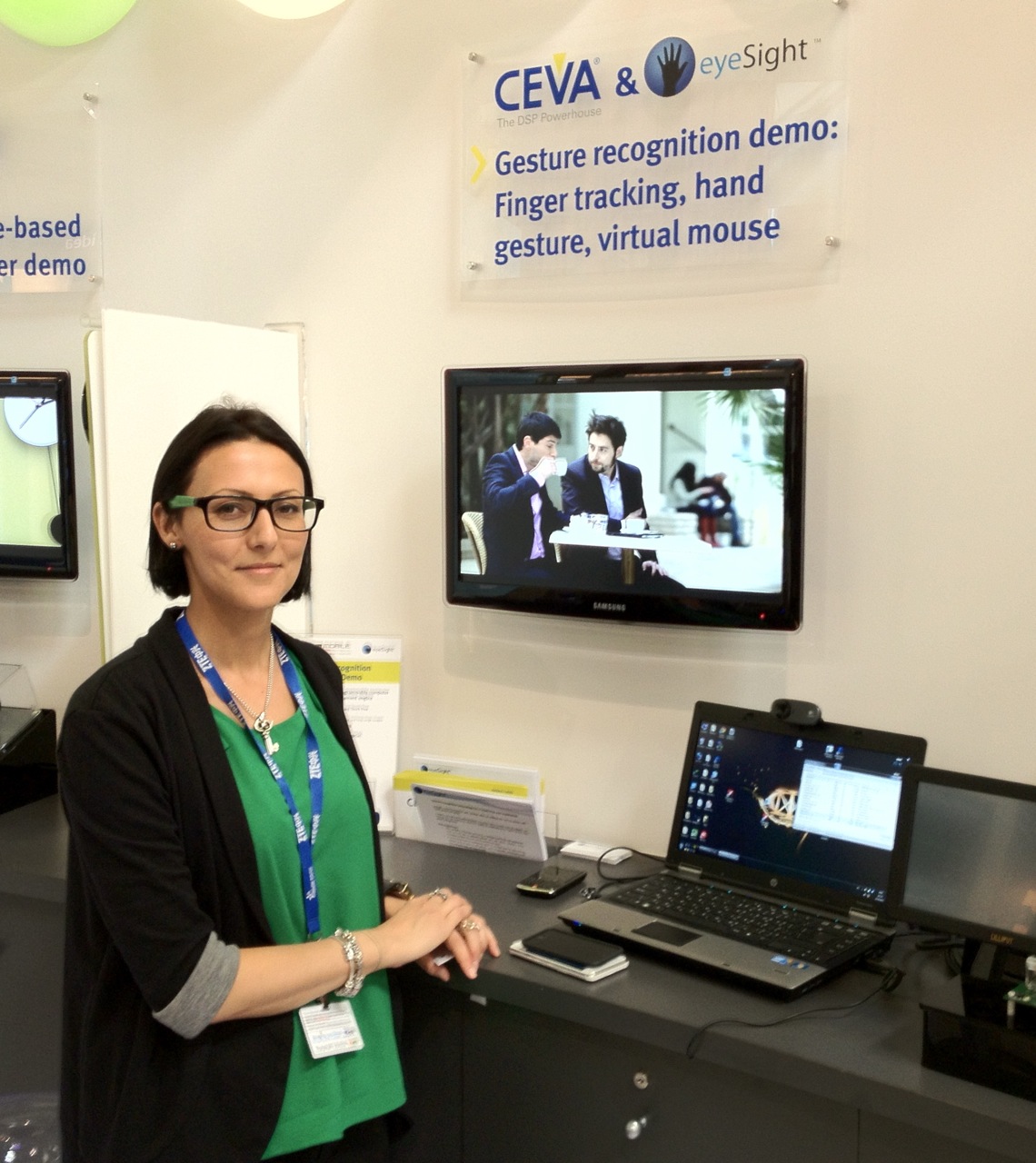
Gestures in a mobile context
The amount of transposition required to convert users’ physical actions into digital form has ebbed and flowed over the years.
Comman..
Sound experiences outside the visual canvas
The brain has a remarkable ability to perceive the location of a sound source. If an object bangs on the floor behind you, your brain use..
Maps appropriate to context
The digital maps found on today’s mobile devices derive from cartographic techniques hundreds of years old. User context, however, ha..